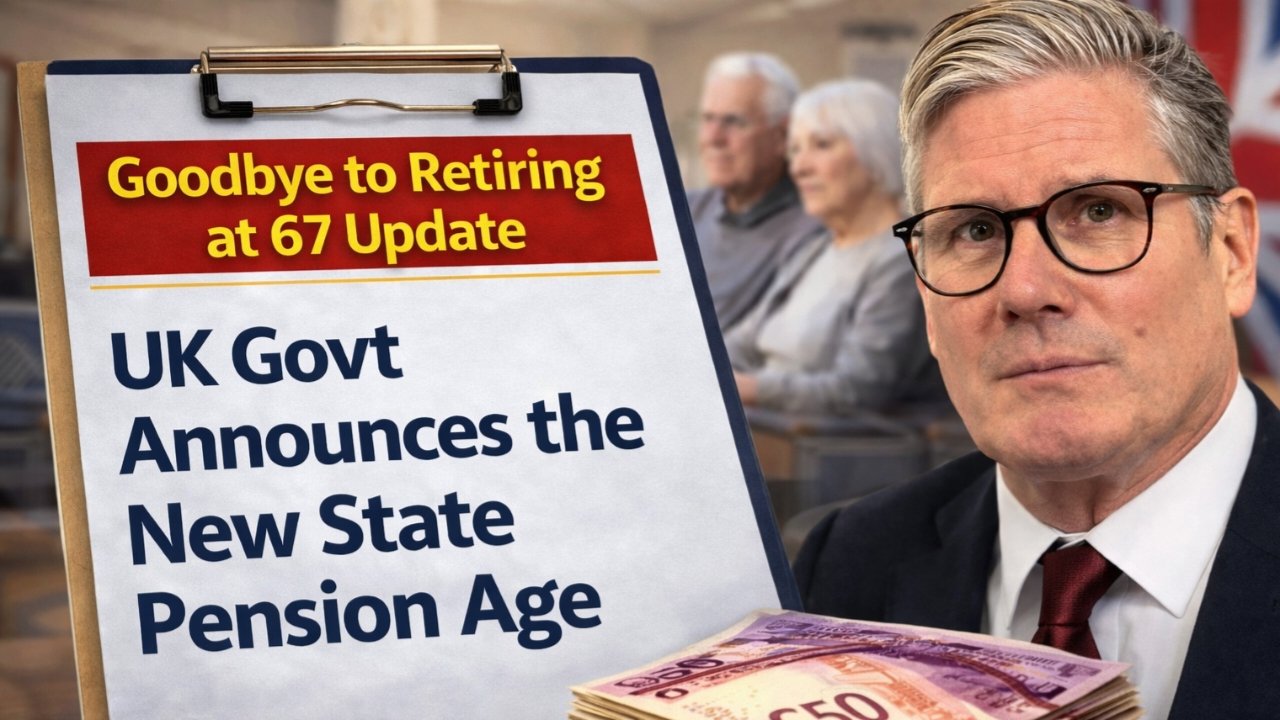
Over the past few weeks, many people across the UK have come across headlines suggesting that the government is saying goodbye to retirement at age 67. Naturally, this has created concern among workers who are planning their future and wondering whether they will now need to work longer before receiving their State Pension.
Retirement age is one of the most important financial milestones in a person’s life, so even small policy discussions can cause confusion. To understand what is really happening, it helps to look carefully at the facts behind the headlines.
This article explains the latest updates in clear, simple language — what changes are being discussed, who could be affected, and what it means for future retirees.
What Is the State Pension Age?
The State Pension age is the age at which people can start receiving payments from the UK government through the State Pension system.
It does not necessarily mean you must stop working. Many people continue working after reaching pension age, but it marks the point when government pension payments become available.
The system is managed by the Department for Work and Pensions, which regularly reviews the pension age to reflect changes in life expectancy and economic conditions.
The Current State Pension Age
At present:
- The State Pension age is 66 for both men and women.
- It is already scheduled to increase to 67 between 2026 and 2028.
This increase was approved years ago and is already written into legislation. So the move to age 67 is not a new surprise announcement — it is part of a long-planned transition.
Why Headlines Say “Goodbye to Retiring at 67”
The recent headlines come from government reviews suggesting that the pension age could rise beyond 67 earlier than previously expected.
Officials regularly review pension age because people are living longer, and the cost of funding pensions continues to grow. As a result, discussions have started about whether the next increase — to age 68 — might happen sooner.
However, it is important to understand:
👉 No immediate law has changed retirement age overnight.
What exists right now are policy discussions and review recommendations, not an instant rule change.
Proposed Future Pension Age Timeline
Based on current legislation and government reviews, the timeline looks like this:
- Age 66 — current pension age
- Age 67 — phased increase between 2026 and 2028
- Age 68 — currently planned for the mid-2040s (under review)
Some experts believe the move to age 68 could be brought forward depending on economic conditions and life expectancy data.
But until Parliament approves new legislation, the official schedule remains unchanged.
Why the Government Is Reviewing Pension Age
There are several reasons pension age is being reconsidered.
Longer Life Expectancy
People are generally living longer than previous generations, meaning pensions must be paid for more years.
Rising Public Costs
The State Pension represents one of the largest areas of government spending.
Workforce Changes
More people remain healthy and active later in life, allowing longer working careers.
The government argues that gradual increases help keep the pension system sustainable for future generations.
Who Could Be Most Affected
Any future rise beyond 67 would mainly affect:
- Workers currently in their 30s, 40s, and early 50s
- Younger generations planning long-term retirement
- Individuals expecting retirement exactly at 67
Those already near retirement age are unlikely to see sudden changes because reforms are usually introduced gradually over many years.
Does This Mean People Must Work Longer?
Not necessarily.
The State Pension age only determines when government payments begin. Individuals can still:
- Retire earlier using private savings or workplace pensions
- Reduce working hours gradually
- Continue working after pension age if they choose
Retirement decisions remain personal and depend on financial circumstances.
How the Change Could Affect Financial Planning
If pension age rises in the future, people may need to rethink long-term planning strategies.
Financial advisers often suggest:
- Increasing pension contributions earlier
- Reviewing workplace pension schemes
- Building personal savings alongside State Pension expectations
Even small adjustments made early can make retirement planning easier later.
Why Pension News Often Causes Confusion
Pension policy develops slowly, but headlines often present reviews or proposals as if they were confirmed laws.
Words like “announced” or “confirmed” can make discussions sound final when they are actually part of ongoing government reviews.
Because retirement affects nearly every worker, these stories quickly attract attention online.
What You Should Do Right Now
Instead of worrying about rumours, the best step is to check your own State Pension forecast.
You can:
- Review your expected pension age
- Check National Insurance contributions
- Estimate future retirement income
Knowing your personal timeline is more useful than relying on general headlines.
Final Thoughts
The idea of saying goodbye to retirement at 67 has sparked concern, but the reality is more gradual than dramatic headlines suggest.
The move to age 67 is already planned and underway, and while future increases are being reviewed, no sudden change has been introduced.
The UK government continues to adjust pension policy slowly to balance longer lifespans with economic sustainability. For most people, retirement planning should focus on preparation rather than panic.
Understanding the difference between confirmed rules and policy discussions helps everyone make better decisions about their financial future — without unnecessary worry.