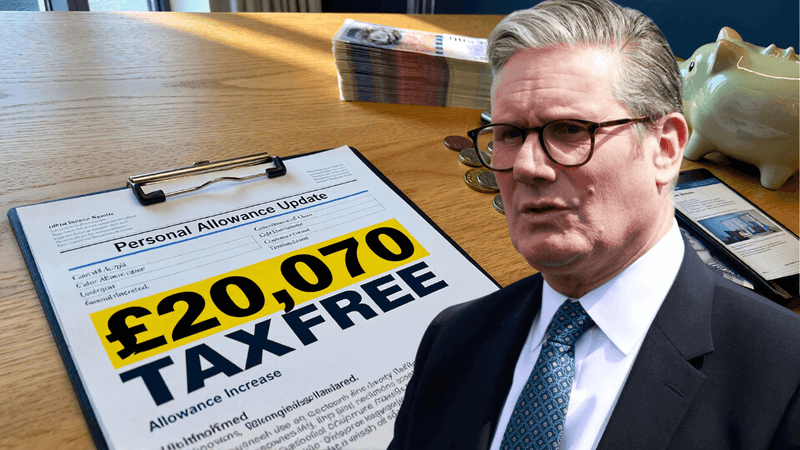
In recent days, many people across the UK have been talking about a possible increase in the tax-free personal allowance. Some reports claim that the allowance could rise to £20,070, which has naturally caught the attention of workers, pensioners, and anyone who pays income tax.
If such a change were introduced, it would mean that people could earn significantly more money each year before paying tax. For millions of households, that could make a noticeable difference to their monthly finances.
Because of this, the topic has quickly started trending online, with many people searching for answers about whether the increase is real, who it would apply to, and how it could affect taxpayers.
Let’s take a closer look at what this update could mean and why it has created so much discussion.
Understanding the Tax-Free Personal Allowance
In the UK tax system, the Personal Allowance is the amount of income a person can earn each year without paying income tax.
For most employees, this allowance is applied automatically through the PAYE system. That means employers calculate the tax during payroll, and workers usually don’t need to claim it separately.
At the moment, the standard tax-free allowance allows people to earn a certain portion of their income without any tax being deducted. After that amount, the remaining income is taxed according to the government’s income tax bands.
This system helps ensure that people with lower earnings keep more of their income before tax is applied.
Why a £20,070 Allowance Would Be a Big Change
If the tax-free allowance were increased to £20,070, it would represent a major shift in the UK tax system.
For example, many workers who currently pay tax on a portion of their salary would see a much smaller taxable income. In simple terms, more of their earnings would remain tax-free.
For someone earning around £30,000 a year, the difference could mean hundreds or even over a thousand pounds saved annually in tax. That’s why the idea of such an increase has generated strong interest.
During times when living costs remain high, any tax relief can provide meaningful support for households trying to manage their budgets.
How a Higher Allowance Could Help Workers
A higher personal allowance generally benefits lower and middle-income workers the most. When the tax-free threshold rises, employees keep a larger share of their wages before taxes begin.
This extra money can help cover everyday expenses such as:
- Energy bills
- Groceries
- Transport costs
- Rent or mortgage payments
For many families, even a modest change in tax policy can help ease financial pressure.
Workers who are close to the current threshold might also find that a larger part of their income remains tax-free, which effectively increases their take-home pay.
What Pensioners Should Know
The personal allowance does not apply only to workers. It also applies to pensioners who receive taxable income, including private pensions or certain retirement earnings.
If the allowance were increased, some retirees could also benefit by paying less tax on their pension income.
However, the exact impact would depend on how much income a pensioner receives each year.
Why Tax Changes Attract So Much Attention
Whenever there is talk about tax thresholds increasing, it tends to generate a lot of public interest. The reason is simple: tax changes affect almost everyone.
Even small adjustments to tax policies can influence how much money people take home each month.
For governments, decisions about tax allowances involve balancing several factors, including economic conditions, public spending, and long-term financial planning.
Because of this, major changes are usually announced carefully and often form part of broader economic policies.
The Importance of Following Official Updates
When news about tax changes begins circulating online, it’s always a good idea to wait for detailed confirmation and official guidance.
Government departments typically provide full explanations once policies are finalized. This helps ensure that taxpayers clearly understand how the rules apply to them.
Until then, discussions about tax allowances often remain part of broader policy debates about how to support households and strengthen the economy.
Final Thoughts
The discussion around a £20,070 tax-free personal allowance has attracted attention because it could potentially reduce the tax burden for millions of people across the UK.
If such a change were ever introduced, it would allow workers and pensioners to keep a larger portion of their earnings before income tax begins.
For households dealing with rising living costs, that kind of tax relief could make a meaningful difference.
For now, many taxpayers are simply watching closely and waiting to see whether any official announcements confirm changes to the current allowance.
What is clear, however, is that issues related to wages, taxes, and household finances remain some of the most important topics for people across the country.